


The Role of Luck in Gambling
The concept of luck is intrinsically linked to the gambling experience. For many players, the belief that fortune can sway outcomes is one of the most compelling attractions of casinos. This notion often leads individuals to adopt personal superstitions and rituals before placing their bets. Whether it’s donning a specific outfit, carrying a lucky charm, or even following a particular routine, these behaviors stem from the hope that luck will smile upon them, resulting in a profitable outcome. Many enthusiasts explore options like gold bet to enhance their gaming experience. The allure of luck can create an exhilarating atmosphere, drawing players into the excitement of chance.
In games governed primarily by chance, such as slot machines, roulette, and dice games, luck appears to play a significant role in determining outcomes. Players often believe that hitting the jackpot or landing a winning number is simply a matter of being in the right place at the right time. However, it’s crucial to recognize that while luck can lead to fleeting windfalls, these games are designed with specific probabilities that impact long-term success. Understanding these probabilities helps players manage their expectations and navigate the gambling landscape more effectively.
Additionally, psychological studies suggest that the belief in luck can significantly influence a player’s decision-making process. When individuals attribute their wins to luck, they may engage in riskier behaviors, convinced that fortune will favor them again. Conversely, when faced with losses, they might attribute their misfortunes to bad luck, allowing them to rationalize their setbacks rather than critically examining their strategies. This psychological dimension is essential for anyone hoping to navigate the complexities of gambling successfully, as it can shape their approach to decision-making and risk management.
Skill vs. Chance
While luck undeniably plays a role in gambling, the influence of skill should not be underestimated. In many casino games, particularly those that require strategy like poker and blackjack, a player’s decisions can significantly affect the outcomes. Skilled players can employ strategies that enhance their odds, such as reading opponents in poker or utilizing card counting techniques in blackjack. This blend of skill and chance creates a complex gambling environment where both factors contribute to overall success.
The distinction between luck and skill becomes particularly apparent when examining outcomes over time. A novice player may experience short-term wins driven by chance, but a seasoned gambler is more likely to achieve consistent results based on their understanding of game dynamics. For example, in poker, an experienced player can analyze betting patterns and make informed decisions that greatly outweigh the influence of luck in the short run. This highlights the importance of developing a solid foundation of knowledge and strategy to navigate the gambling landscape effectively.
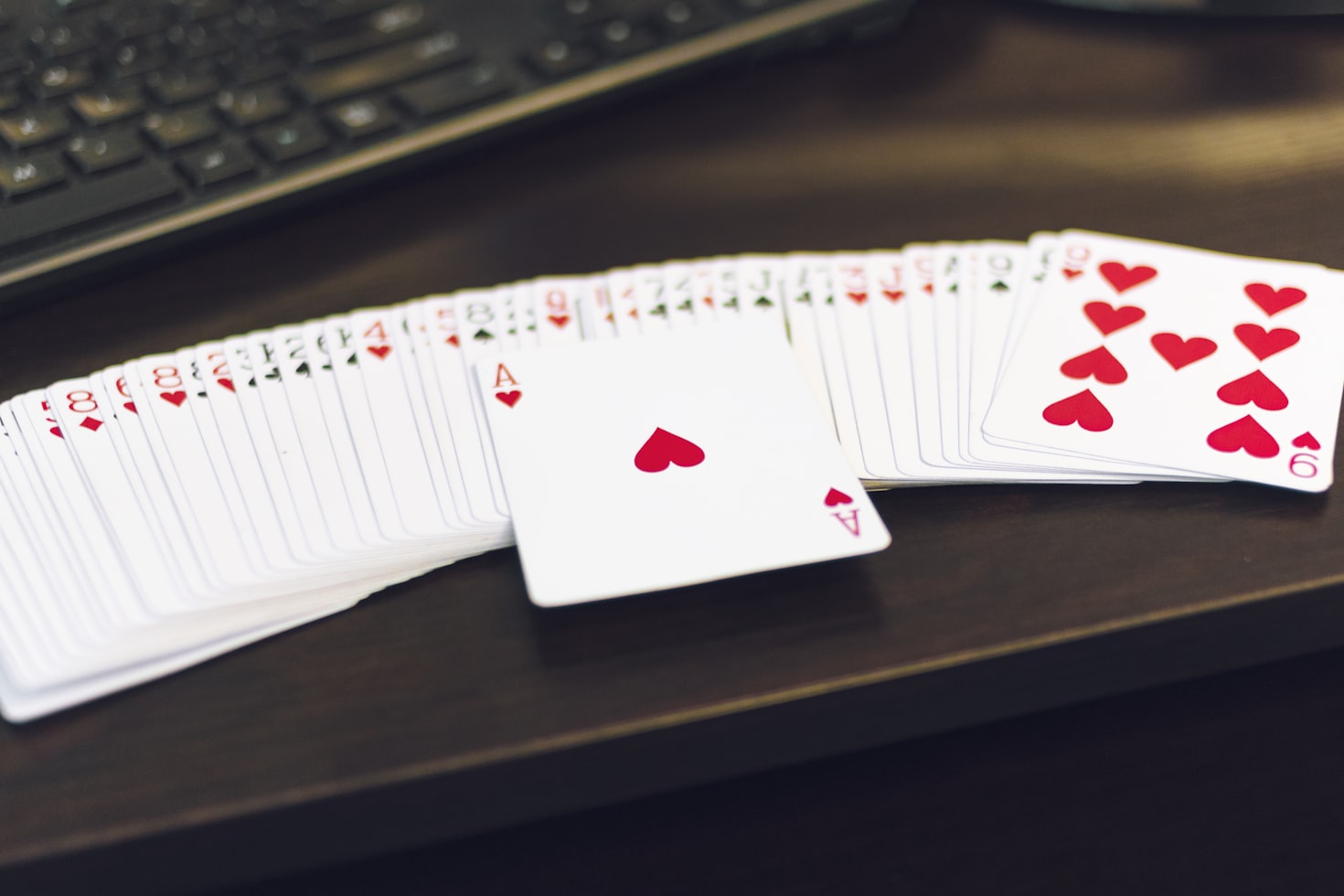
Ultimately, players must acknowledge the importance of skill alongside luck. While luck can lead to unexpected victories, building knowledge and refining gambling techniques can provide a more sustainable approach to gaming. Players who invest time in mastering the intricacies of their chosen games enhance their ability to make calculated decisions, granting them a competitive edge over those who rely solely on chance. This understanding can lead to a more rewarding and enjoyable gambling experience.
The Casino Environment and Luck
The atmosphere within a casino can significantly enhance the perception of luck. The bright lights, exciting sounds, and overall buzz create a thrilling environment, influencing a player’s mindset. The excitement surrounding the gambling experience can lead individuals to feel more optimistic about their chances, thereby increasing their belief in luck. This psychological uplift may encourage a more adventurous approach to betting, sometimes resulting in riskier decisions than players would typically make outside the casino.
Moreover, many casinos strategically design their gaming floors to evoke feelings of luck and fortune. By showcasing big winners on screens and employing marketing techniques that highlight winning experiences, casinos cultivate an environment that encourages players to think positively about their chances. However, it is essential for players to recognize that this atmosphere can also lead to increased gambling activity, potentially resulting in reckless betting fueled by the thrill of the moment. Being aware of these dynamics can help players maintain a balanced approach to their gaming habits.
While the casino environment may enhance the belief in luck, it can also cloud judgment. Players might become engulfed in the excitement and take risks they wouldn’t normally consider under calmer circumstances. Understanding this psychological phenomenon enables players to remain grounded in reality. By recognizing when emotions are influencing their decisions, players can mitigate potential losses and cultivate a more rational and enjoyable gaming experience. This awareness is a vital component of responsible gambling.
Understanding Probability and Odds
To fully grasp the role of luck at the casino, it is vital to understand the principles of probability and odds. Each casino game operates under specific odds that dictate the likelihood of winning or losing. For instance, in games like roulette, the odds of landing on a particular number are relatively low compared to the potential payout. Familiarity with these odds empowers players to set realistic expectations and adjust their strategies accordingly, ultimately enhancing their gambling experience.
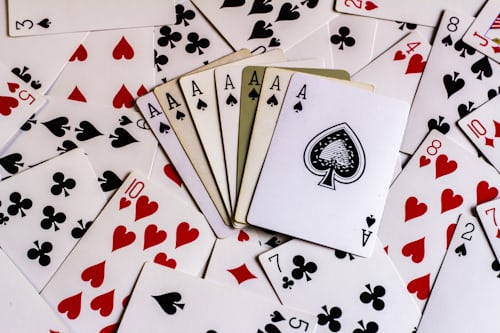
Many players enter the casino with the misconception that they can ‘outsmart’ games of chance through luck alone. However, a solid understanding of probability can reveal the true nature of each game. It is essential for players to approach games like slots and roulette armed with a realistic view of their odds, as this knowledge can facilitate more informed betting decisions. A player who understands the inherent probabilities can approach the game more strategically, helping to limit losses over time and potentially improve their overall success.
Furthermore, recognizing that casinos are structured to maintain a house edge is crucial for any gambler. This edge ensures that, over time, the casino remains profitable, regardless of the players’ luck. Therefore, while players may encounter moments of good fortune, understanding how odds work can help them maintain a balanced approach to gambling, reducing the risks associated with relying solely on luck for success. Knowledge is a powerful tool that can greatly enhance a player’s gambling strategy.
Your Path to Responsible Gambling
Understanding the interplay between luck, skill, and strategy is vital for any player seeking to enjoy a safe and responsible gambling experience. Acknowledging that luck can influence outcomes is essential, but so is recognizing that responsible gambling practices can significantly enhance enjoyment and reduce the risks of addiction or financial loss. Setting clear limits on time and expenditure is a fundamental step every player should take to foster a healthier gambling environment.
Moreover, educating oneself about games and their probabilities can lead to more informed choices. The more a player knows about a game, the better equipped they are to manage their expectations, recognize the role of luck, and understand when to walk away. Integrating knowledge with an awareness of one’s psychological tendencies related to betting can help players create a more balanced gambling strategy, allowing them to enjoy the thrill of gaming while minimizing potential pitfalls.
In conclusion, the interaction of luck and skill in gambling creates a complex landscape for players. Embracing the excitement that luck offers while exercising caution, strategy, and education can significantly enhance one’s experience at the casino. By fostering responsible gambling habits, players can enjoy their time and potentially increase their chances for success, all while remaining mindful of the inherent risks involved. Ultimately, the journey through the world of gambling should be both enjoyable and responsible, promoting a healthy balance between thrill and strategy.