


The Thrill of the Game
Every trip to a casino is steeped in anticipation and excitement. Players enter a vibrant arena filled with the sounds of rolling dice, spinning wheels, and the cheerful ding of slot machines. This lively ambiance creates an irresistible allure, promising a chance to experience unforgettable highs at MCW Casino , where the thrill of wagering involves far more than just the potential to win money; it encompasses the social interactions, the personal stories, and the emotions that unfold as players chase their fortune.
For many, the initial excitement quickly turns into a rollercoaster of highs and lows. Players often invest significant emotional energy in the games they play, experiencing adrenaline rushes during wins and palpable despair during losses. The unpredictable nature of these outcomes is what makes gambling so exhilarating. However, once the tides begin to turn, players may find themselves grappling with feelings of frustration or desperation, realizing that their luck has begun to wane.
As luck shifts, the atmosphere around the table or machine can become tense. Groups of friends may seem less jovial, and solitary players may exhibit signs of anxiety. Stories emerge from these scenarios—tales of near-misses where victory appeared almost imminent before slipping away, or moments of unexpected triumph that turn into fleeting success. Understanding the emotional spectrum of the gaming experience can illuminate the profound effect luck has on players and the narratives that unfold across the casino floor.
The Impact of Losing Streaks
Losing streaks are a common occurrence in gambling, often serving as harsh reminders that luck is not always on one’s side. When a player hits a series of losses, it can lead to a range of emotions, from frustration to anger and despair. This psychological toll is deeply ingrained in the human experience of competition; the more one invests in the outcome, the more significant the pain when it goes awry. For instance, a player who consistently bets on their favorite game may begin to feel betrayed as losses stack up, transforming a once-enjoyable pastime into a source of stress.
Moreover, the response to losing can vary greatly among individuals. Some players recognize the need to step back, rationalizing that their luck might change with time. Others, however, may choose to chase their losses by increasing their bets, hoping to reclaim what they lost. This behavior can lead to a dangerous cycle, where the desire to win outweighs logical decision-making. Such patterns reveal the complex relationship between luck, risk, and emotional well-being that players navigate on the casino floor.

As the losses continue, some players may start to search for external factors to blame. They may become fixated on the perceived bad luck of a dealer, the timing of their bets, or even the atmosphere of the casino itself. This search for scapegoats highlights the human tendency to seek order in chaos, especially when faced with unpredictable outcomes. The tales of players confronting their own luck—sometimes leading to self-reflection and change, other times spiraling deeper into frustration—underscore the multifaceted realities of gambling experiences.
The Role of Superstitions
In the world of gambling, superstitions play a significant role in shaping players’ behaviors. Many gamblers have a set of rituals or lucky charms they believe can influence the outcome of their games. From wearing specific clothing to carrying a good luck token, these habits can provide a comforting sense of control, especially when luck runs out. For instance, a player who swears by a particular jacket might feel a disconnect when they experience bad luck without it, leading to the belief that their fortunes have shifted because they deviated from their routine.
These superstitions are often a blend of personal anecdotes and collective folklore passed down through generations. They create a sense of tradition and community among players, fostering bonds over shared beliefs that certain numbers or actions can turn fate in one’s favor. For example, the number seven is frequently regarded as a lucky number, leading many to place bets associated with it. Yet, when luck does not align with these beliefs, it can deepen the sense of despair and hopelessness, prompting players to question the very efficacy of their superstitions.
The intertwining of luck and superstition creates a fascinating dynamic on the casino floor. Players often swap stories about their lucky experiences, creating an almost mythological landscape where luck is personified and discussed as a tangible entity. However, when luck runs out, these same superstitions can become a double-edged sword, amplifying feelings of guilt or regret as players grapple with the consequences of their beliefs. The stories born from these encounters illustrate the profound psychological impact that luck has on gamblers, intertwining hope and disappointment in equal measure.
Facing Reality After Luck Runs Out
What happens when the exhilarating highs of gambling fade into the harsh reality of losses? The aftermath of a losing streak can provoke a sobering shift in perspective. Players may begin to reassess their relationship with gambling, moving from a mindset rooted in fun to one steeped in regret. Facing the reality of financial and emotional losses can be challenging, as it forces individuals to confront the consequences of their choices and the role luck played in their experiences.
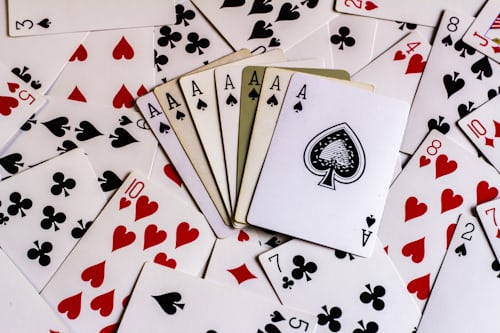
In this reflective state, some players recognize the importance of responsible gambling. They may take steps to set limits on their spending or establish boundaries on their time in the casino. This shift can foster a healthier approach to gambling, emphasizing enjoyment over the pursuit of profit. While the thrill of the game may always entice, understanding the potential for losses can lead to a more balanced perspective, where players learn to enjoy the experience without becoming overly reliant on luck.
Moreover, tales of recovery abound among those who have faced the downturns of gambling. Many players share stories of rediscovering their passions outside the casino, finding fulfillment in hobbies, relationships, or careers that do not hinge on chance. These narratives remind us that luck is but one aspect of life’s journey and that resilience, learning, and growth often emerge from moments of adversity. The intersection of gambling and life’s lessons illustrates that while luck may wane, the human spirit’s capacity for recovery and adaptation endures.
Your Casino Journey Awaits
Exploring the world of gaming and chance offers a plethora of experiences, filled with stories of triumphs and defeats. The casino floor serves as a vibrant backdrop for these tales, a place where emotions run high and connections are forged. As you embark on your own casino journey, remember to embrace the adventure, understanding the unpredictable nature of luck and the importance of responsible gaming practices.
Whether you are drawn to the spinning wheels of fortune or the strategic gameplay of card tables, every visit to a casino can lead to memorable encounters. It’s essential to approach these experiences with an open heart and a wise mind, recognizing that while fortunes may fluctuate, the enjoyment of the game should be at the forefront. Engaging with the stories of fellow players can enrich your understanding of the game, allowing you to appreciate both the highs and lows that accompany this thrilling pursuit.
As you navigate through the enchanting casino landscape, take with you the understanding that luck is a fleeting friend. While it may ebb and flow, your experiences and choices can lead to a fulfilling relationship with the world of gaming. Embrace the tales, learn from the journeys of others, and craft your own narrative within this tapestry of chance and fate, bringing a sense of adventure to every roll of the dice and each hand dealt.