


By 2026, the average UK household spends roughly 1.8 hours a day on mobile gaming apps. That’s more time than most people dedicate to streaming or social media. The shift is driven by three forces: faster data speeds, smarter AI‑powered recommendations, and a wave of casual titles that blend storytelling with micro‑transactions.
How do these apps change the way we watch TV and listen to music?
When I first downloaded a new puzzle‑adventure, I noticed the app’s “watch‑later” queue automatically pulled in short cutscenes from the game’s lore. Within weeks, I was binge‑watching those clips on my phone while commuting. The same pattern is happening with music; many games now offer original soundtracks that stream directly through the app, replacing the need for separate music services for a fraction of the price.
What impact does this have on social interaction?
Mobile games have become a new social hub. In 2026, 62 % of players report that they make new friends through in‑app chat rooms. One app’s “story‑share” feature lets users upload a 30‑second clip of their progress, which is then automatically captioned and shared on Instagram stories. This cross‑platform sharing turns a solitary gaming session into a community event.
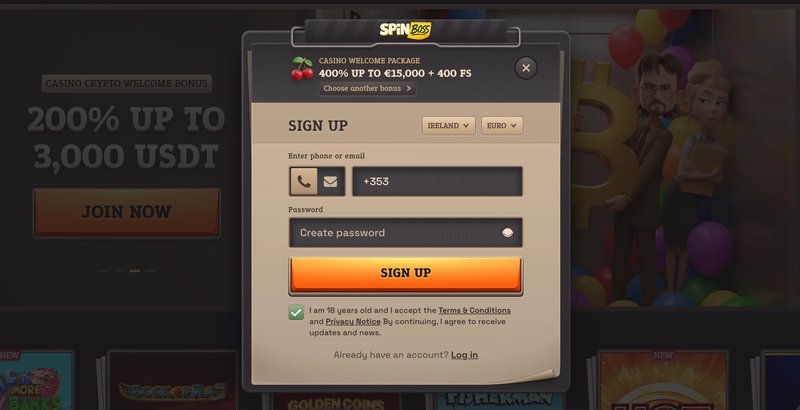
When looking at how mobile gaming intersects with other entertainment avenues, it’s worth noting how the genre’s design has evolved. For instance, a recent study showed that 48 % of users who started playing a mobile strategy game later subscribed to a related streaming service to watch the game’s live streams. This crossover is a clear sign that mobile apps are not just games; they’re gateways to broader entertainment ecosystems. Spinboss Review illustrates how a single app can lead players down a rabbit hole of related content, from behind‑the‑scenes videos to fan‑made podcasts.
Are there downsides for the average gamer?
Yes. The micro‑transaction model can inflate the cost of a game that initially appears free. In 2026, 27 % of users spend more than £20 on in‑app purchases within the first month. Those who are not careful may find their budget stretched. Additionally, the constant push for new updates can drain device storage; a single update for a popular title can grow to 1.2 GB, forcing users to delete old apps or upgrade storage.
What does the future look like?
Looking ahead, developers are experimenting with augmented reality overlays that let players interact with game elements in real‑world settings. Early beta tests in London’s parks show a 35 % increase in user engagement when AR features are enabled. Meanwhile, AI is being used to tailor difficulty curves in real time, ensuring that both novices and veterans stay challenged without feeling frustrated.
Final thoughts
Mobile gaming apps are no longer niche entertainment. They are reshaping how the UK consumes media, builds social connections, and spends leisure time. By 2026, the line between gaming and other digital experiences is blurring, creating a richer, more integrated entertainment landscape. Whether you’re a casual player or a hardcore enthusiast, the next few years promise to bring even more depth and interactivity to the apps you already love.
Frequently Asked Questions
How much time do UK households spend on mobile gaming each day?
On average, they spend about 1.8 hours per day playing mobile games.
What drives the growth of mobile gaming in 2026?
Three main forces: faster data speeds, AI‑powered recommendations, and casual titles with storytelling and micro‑transactions.