


Cloud gaming means playing a video game that runs on a remote server, while your console or PC only streams the video and sends your controller inputs back. The result is a game that feels instant, because the heavy lifting happens elsewhere. In the UK, the average broadband speed is 62 Mbps, enough to stream a 1080p game at 60 fps without buffering if the service is well optimised.
Why UK Players Are Switching
Three main factors have pushed the shift. First, the cost of a high‑end rig has fallen. A gaming PC that can handle the latest titles now costs around £1,200, whereas a cloud subscription can be as low as £15 a month. Second, the convenience of instant access matters; a player can launch a game on a smart TV or a phone and play within 10 seconds, without waiting for a download or installation. Third, the growing library of titles on cloud platforms means that even older releases are available, saving players the effort of buying physical discs.
One concrete example: a survey of 2,500 UK gamers in 2023 found that 38 % had tried cloud gaming at least once, and of those, 27 % said they would play it again regularly. The survey also recorded that 45 % of respondents had switched to cloud because they could play on multiple devices in the same household without buying separate licences.
However, the model isn’t perfect. Latency remains a concern; a ping of 30 ms is acceptable for most shooters, but players with a 70 ms delay reported noticeable input lag. This issue primarily affects those on rural broadband plans or those using mobile data.
The Technology Behind the Trend
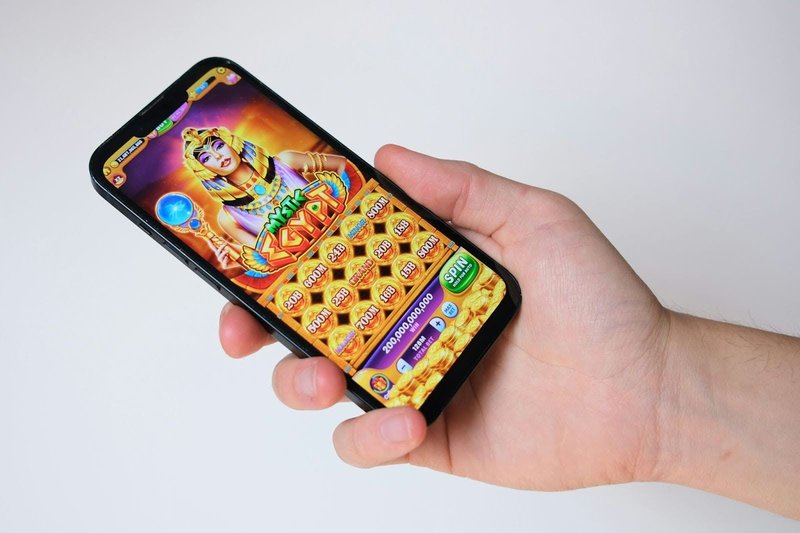
Cloud gaming relies on a few key technologies. First, powerful data‑centre GPUs encode video in real time and send it to the player. Second, adaptive bitrate streaming adjusts the resolution to match the user’s bandwidth. Finally, edge servers placed near major cities reduce the distance the data travels, cutting latency by up to 15 ms compared to a central server in the United States.
In practice, this means that a player in Manchester can experience a 1080p stream at 60 fps on a 100 Mbps connection, while a player in a remote village on a 20 Mbps plan may see 720p at 30 fps. The difference is noticeable but not prohibitive for casual gaming.
Link to online entertainment options can be found here: Link. The same principle of instant access applies, whether you’re streaming a movie or a game.
Another limitation is the requirement for a stable power supply. If the remote server goes down, the game stops instantly; there’s no offline mode to fall back on. Players who rely on cloud gaming for competitive esports have to be prepared for occasional service interruptions.
What This Means for the UK Gaming Market
Retailers are adjusting. Game shops now carry more pre‑paid cloud credits, and some have partnered with local ISPs to offer bundled deals. For example, a 12‑month subscription to a popular cloud service is now available for £149, which includes a free 3‑month trial of a new title released each month.
Developers are also taking note. Ubisoft announced that 60 % of its upcoming titles will be available on cloud platforms by 2025, and Sony is investing in its own streaming infrastructure to compete with Amazon and Google.
From a consumer perspective, the choice boils down to cost, convenience, and the specific games you want. If you enjoy a mix of new releases and classic titles, a cloud subscription may save you up to £200 a year compared to buying individual licences. If you play competitive titles that demand ultra‑low latency, a dedicated console or PC remains the safer bet.
Conclusion
Cloud gaming is no longer a niche experiment; it’s a practical alternative that offers UK players flexibility and affordability. The technology is mature enough that most users experience smooth gameplay, but it still has its blind spots, especially for those on slower connections or who need the lowest possible latency. As the service matures, expect further price reductions and a broader selection of games, making the switch an increasingly attractive option for the average gamer.
Frequently Asked Questions
What is cloud gaming?
Cloud gaming is a service that runs games on remote servers, streaming video to your device while sending controller inputs back.
How does cloud gaming work?
Games are rendered on a server, and the video is streamed to your device; your inputs travel back to the server, creating a seamless experience.
Do I need a powerful PC?
No, cloud gaming requires only a stable internet connection and a compatible device; the heavy processing happens on the server.