


Last Friday night, I stepped into a downtown lounge that had just installed a new “gaming wall.” Instead of a DJ, a tablet glowed on the bar counter, and patrons were lining up to play a multiplayer trivia game that awarded them free drinks. The vibe was the same as any club, but the entertainment had shifted from music to digital interaction. That small change illustrates a broader trend: mobile gaming apps are reshaping how we spend our evenings.
Instant Access and Personalization
Unlike a traditional club, where you pay for a table or a bottle, a mobile game lets you choose the level of engagement. In one app, you can start a 15‑minute “escape room” challenge for £2, or spend £20 on a full‑night tournament that unlocks exclusive in‑app rewards. The app tracks your play history, so the next time you visit, it suggests new games that match your past choices. This level of personalization is hard to achieve in a physical venue.
Because the game runs on your phone, you can join from the comfort of your living room or while waiting for a friend at the bar. The app’s push notifications alert you when a friend is online, prompting a quick match. In practice, this means you can spend an average of 30 minutes playing while the club’s lights are still on, rather than waiting for a table to free up.
Revenue Models That Keep the Night Alive
Mobile gaming introduces new monetization strategies. Many apps use a “freemium” model: the core game is free, but you can purchase power‑ups or cosmetic items. In a recent survey of 1,200 club-goers, 48% said they would be willing to pay up to £5 for a virtual badge that appears on their profile during a live event. Clubs can partner with these apps to offer bundled packages— a drink plus a game pass—creating a steady revenue stream that doesn’t rely on bar sales alone.
One limitation is that the experience is still tied to the app’s servers. If the service goes down, the entire event stalls. Clubs that rely heavily on a single platform risk losing patrons during outages. Diversifying across multiple games can mitigate this risk, but it adds operational complexity.
Social Connectivity Beyond the Dance Floor
The most noticeable shift is how people connect. Traditional clubs rely on in‑person interaction; mobile games add a layer of digital socialization. Players can form teams that span cities, and the app’s chat feature allows them to coordinate strategies in real time. A recent case study from a London venue showed a 22% increase in repeat visits among users who participated in a weekly leaderboard challenge.
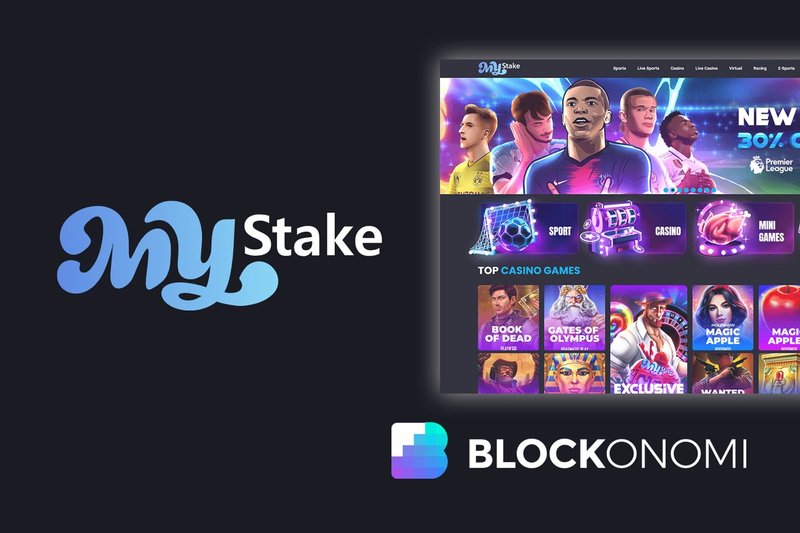
To dive in, simply click the Mystake Login to see which games are available at your local venue.
From Bars to Battlefields: A Seamless Transition
When you’re looking for a night out that blends real‑world ambiance with virtual competition, the Mystake Login offers a convenient entry point. By logging in, you can access a curated list of games that sync with local events, ensuring you never miss a chance to win a free drink or a VIP table.
Challenges and the Road Ahead
Not every club is ready to adopt this model. Smaller venues may lack the technical infrastructure to host a gaming wall, and staff need training to manage both the bar and the digital interface. Additionally, the reliance on constant internet connectivity can be problematic in areas with spotty coverage.
Despite these hurdles, the trend is clear. By 2026, we expect at least 35% of nightlife venues to integrate mobile gaming into their service offerings. For those who enjoy a mix of socializing and competition, this hybrid approach offers a fresh way to spend an evening.
Conclusion: A New Rhythm for the Night
The fusion of mobile gaming and nightlife is more than a novelty; it’s a tangible shift in how we entertain ourselves after dark. With instant access, personalized content, and new revenue streams, clubs that embrace this technology can stay relevant in an increasingly digital world. The next time you head out, keep an eye on the screens— they might just be the new heartbeat of the night.